

August 25, 2026
How many types of brake systems are there? Drum vs disc brakes — differences and which suits your car
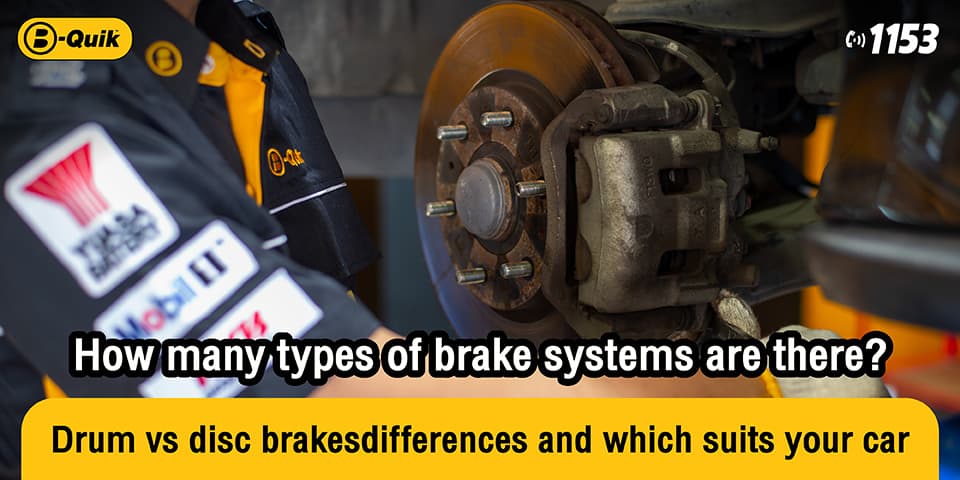
What Are the Different Types of Braking Systems? Drum Brakes vs. Disc Brakes: What's the Difference, and Which Is Right for Your Car?
The braking system is one of the most important safety systems in a car. It is responsible for slowing down and stopping the vehicle effectively. Today, automotive braking systems can be divided into two main types: drum brakes and disc brakes. Each type has different operating principles, advantages, and limitations.
Let's explore each type of braking system to help you choose the right option and maintain your car properly.
1. Drum Brakes
Drum brakes use a cylindrical metal drum attached to the wheel hub. Inside the drum are brake shoes, wheel cylinders, springs, and other mechanisms. When you press the brake pedal, the wheel cylinder pushes the brake shoes outward against the inner surface of the drum, creating friction that slows down and stops the vehicle.
Drum brakes are still commonly used in trucks, commercial vehicles, and many passenger cars, particularly on the rear wheels.
Advantages of Drum Brakes
- Provide strong braking force, making them suitable for vehicles carrying heavy loads
- Durable and long-lasting
- Lower manufacturing costs than disc brakes
Limitations of Drum Brakes
- Dissipate heat less effectively
- Disperse water and dust less efficiently than disc brakes
- May experience reduced braking performance during prolonged, heavy use
2. Disc Brakes
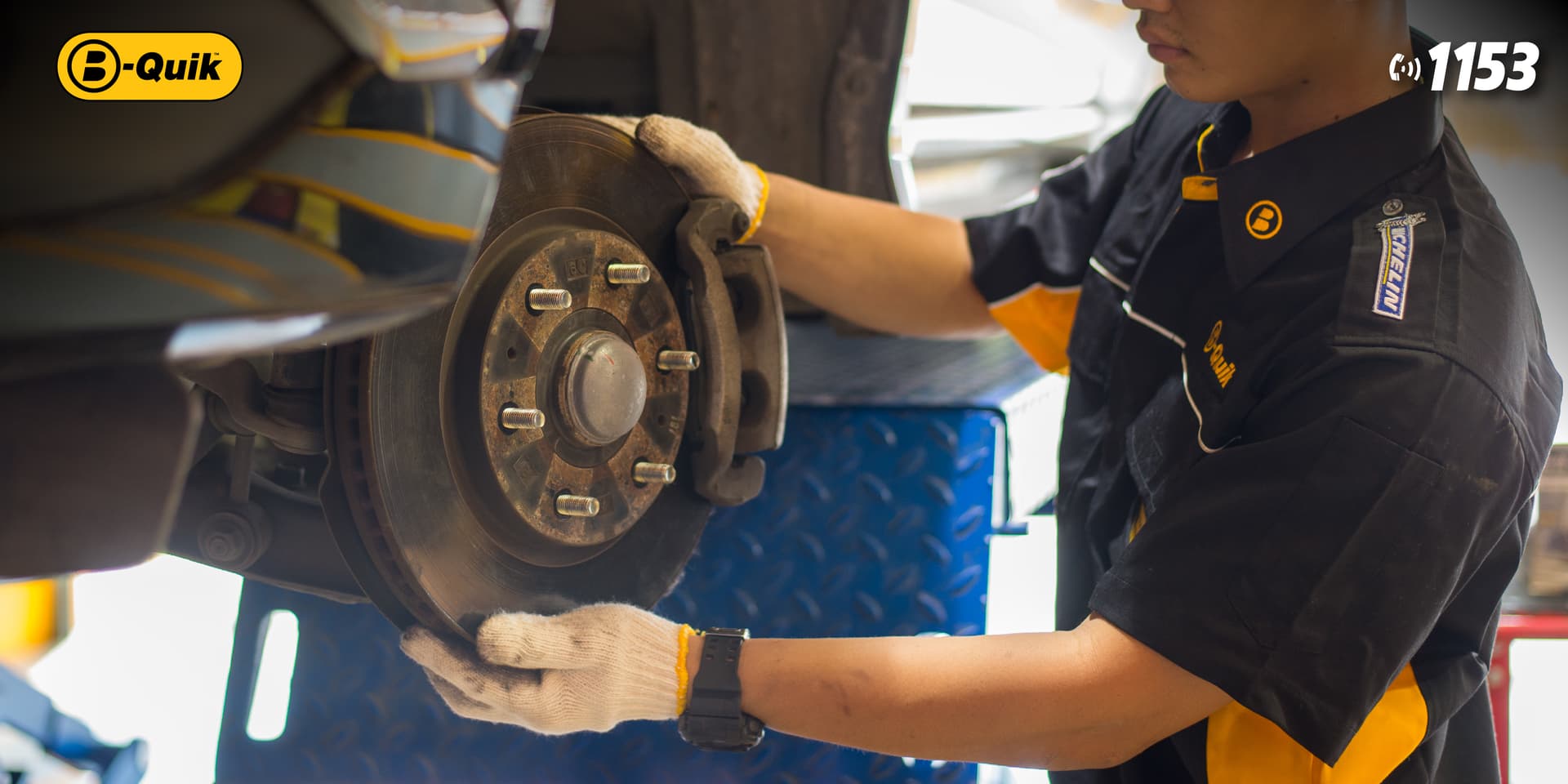
Disc brakes consist of a brake disc, caliper, brake pads, and pistons. When you press the brake pedal, the caliper presses the brake pads against the disc, generating friction that slows the vehicle down.
Most modern cars are equipped with disc brakes on the front wheels, while some models use disc brakes on all four wheels to improve braking performance.
Advantages of Disc Brakes
- Dissipate heat effectively
- Disperse water and dust quickly
- Provide precise braking response
- Easy to inspect and maintain
- Suitable for high-speed driving and everyday use
Limitations of Disc Brakes
- More expensive than drum brakes
- Brake pads may wear out faster
- May provide less braking force than drum brakes in certain heavy-load applications
Drum Brakes vs. Disc Brakes: Which Is Better?
Both systems have their own advantages, and neither is the best choice for every situation.
Drum brakes are suitable for vehicles that carry heavy loads and offer durability at a lower cost.
Disc brakes are ideal for everyday driving, offering quick response, effective heat dissipation, and greater confidence when braking.
For this reason, most modern passenger cars use disc brakes on the front wheels, where most braking force is applied, and drum brakes on the rear wheels to balance cost and performance.
How to Maintain Your Braking System and Extend Brake Pad Life
Whether your car uses drum brakes or disc brakes, regular maintenance helps ensure that the braking system performs effectively.
- Inspect brake pads according to the recommended service intervals.
- Replace brake fluid according to the vehicle manufacturer's recommendations.
- Have the brake discs or drums inspected during servicing.
- Avoid tailgating and frequent hard braking.
If you notice unusual noises, vibrations, or reduced braking performance, have the system inspected immediately.
Have Your Braking System Inspected by Professionals for Safety on Every Journey
A properly functioning braking system improves driving confidence and reduces the risk of accidents. If your car is due for an inspection or you notice unusual braking behavior, visit a B-Quik service center. Qualified technicians can inspect your brake pads, brake discs, drums, and brake fluid, and recommend suitable maintenance for your vehicle.
FAQ Section
Q: How many types of automotive braking systems are there?
A: There are two main types of automotive braking systems: drum brakes and disc brakes.
Q: What is the difference between drum brakes and disc brakes?
A: Drum brakes provide strong braking force and are suitable for trucks and vehicles carrying heavy loads. Disc brakes dissipate heat more effectively, respond more quickly, and are well suited to passenger cars.
Q: Which type of braking system do most cars use?
A: Most cars use disc brakes on the front wheels, and some models are equipped with disc brakes on all four wheels. Many vehicles still use drum brakes on the rear wheels.
Q: When should you replace brake pads?
A: Brake pads should be replaced when their thickness falls below the recommended limit or when you notice unusual noises, increased stopping distances, or excessive wear identified during an inspection.
Q: How often should you have your braking system inspected?
A: You should have the braking system inspected during every scheduled service or before a long-distance trip to ensure that it is functioning properly and ready for use.
Share:


