

August 25, 2026
How to maintain your brake system — 4 simple ways for safer every trip
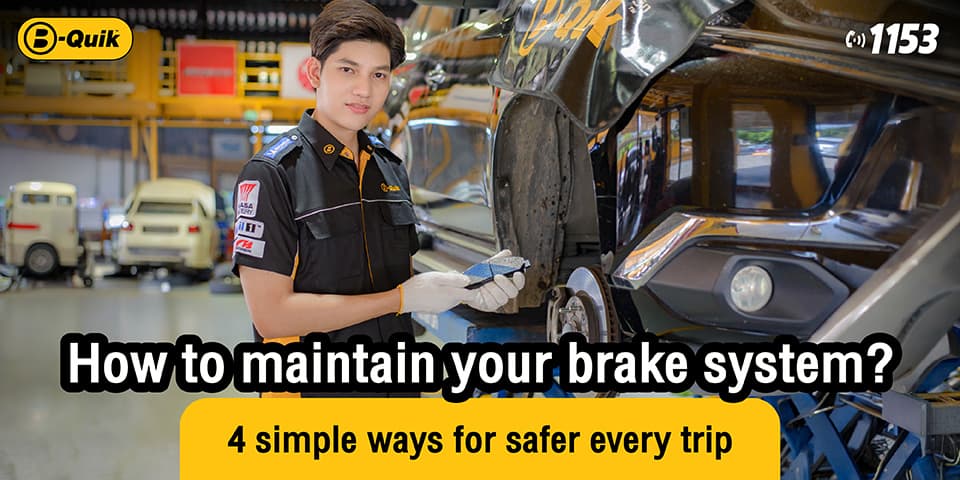
How to Maintain Your Car's Braking System: 4 Simple Ways to Stay Safe on Every Journey
The braking system is an essential component that allows your car to slow down and stop safely. If the braking system malfunctions, it can increase the risk of accidents.
Regularly inspecting and maintaining the braking system helps ensure optimal stopping performance, reduces component wear, and gives you greater confidence every time you drive.
1. Check Your Brake Pads Regularly
Brake pads are among the fastest-wearing components of the braking system because they create friction against the brake discs every time you apply the brakes.
If the brake pads wear down completely, stopping distances may increase, braking performance may deteriorate, and the metal backing of the pads may grind against the brake discs, causing damage and increasing repair costs.
If you notice unusual braking noises, vibrations when braking, or reduced braking performance, have your car inspected as soon as possible.
2. Replace Brake Fluid at the Recommended Intervals
Brake fluid transfers pressure from the brake pedal to the braking system. Over time, brake fluid can absorb moisture from the air, reducing braking performance.
For vehicles used under demanding conditions or driven regularly in heavy traffic, brake fluid should be replaced at least once a year, or according to the vehicle manufacturer's recommendations, to help prevent corrosion and wear inside the braking system.
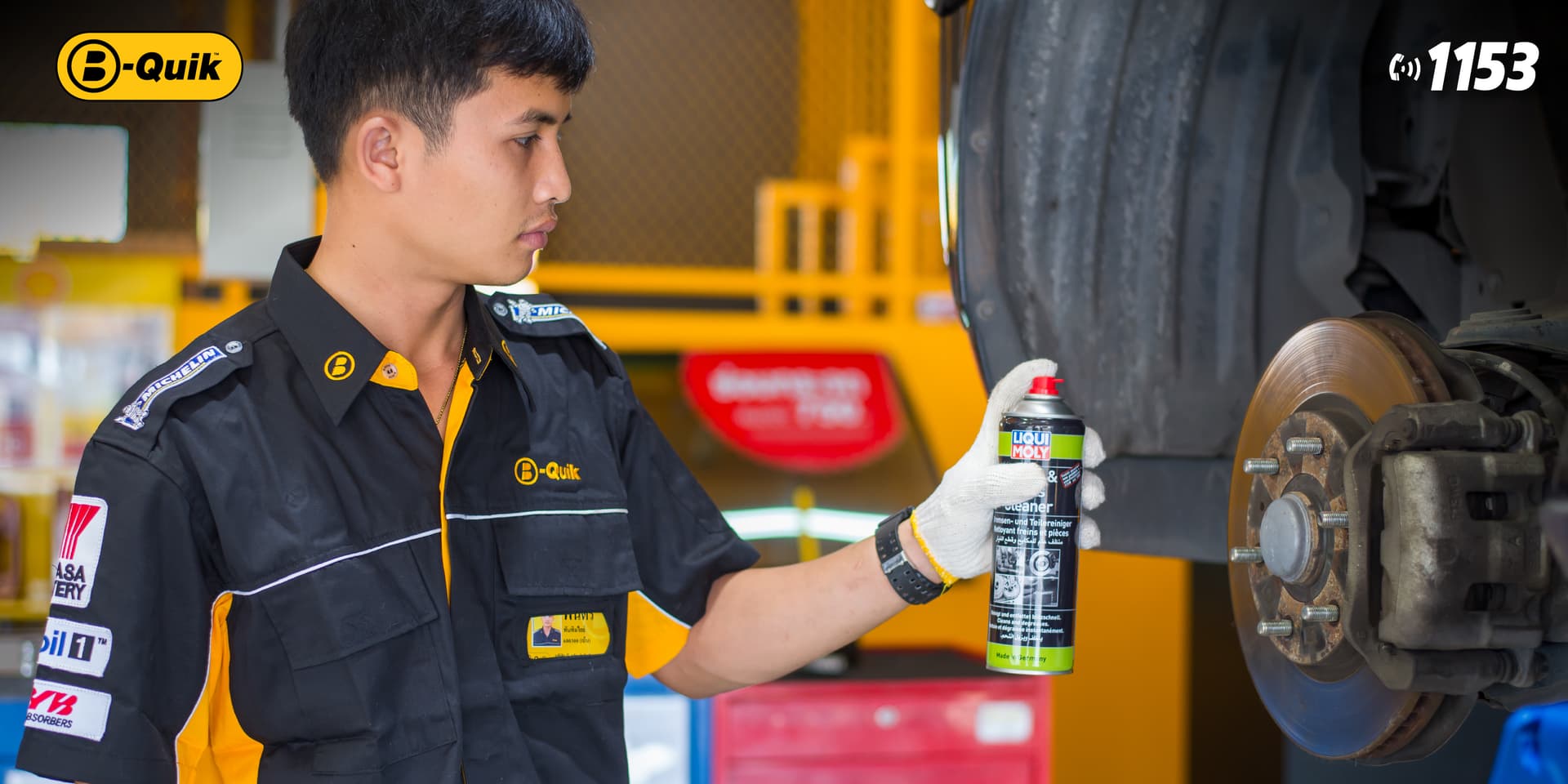
3. Clean and Inspect the Brake Discs
Brake discs with accumulated rust, dust, or dirt may have reduced braking performance.
The discs should be cleaned or resurfaced when necessary to ensure a smooth surface and proper contact with the brake pads.
If the brake discs are warped, cracked, or worn beyond the manufacturer's specifications, they should be replaced immediately to ensure safety.
4. Avoid Driving Habits That Accelerate Brake Wear
Driving habits directly affect the lifespan of the braking system. Examples include:
- Braking suddenly and frequently
- Applying the brakes continuously when driving downhill
- Carrying loads that exceed the vehicle's weight limit
- Driving at high speeds regularly
Driving smoothly and maintaining a safe distance from the vehicle ahead can reduce the strain on the braking system and extend the lifespan of the brake pads and discs.
When Should You Have Your Braking System Inspected?
In addition to routine inspections, you should take your car to a service center immediately if you notice any of the following symptoms:
- Unusual braking noises
- The car pulling to one side when braking
- A brake pedal that feels unusually soft or hard
- An increase in stopping distance
- The brake warning light appearing on the dashboard
Identifying problems early can help reduce repair costs and improve driving safety.
Maintain Your Braking System Regularly for Safety on Every Journey
A properly functioning braking system helps you maintain control of your vehicle with confidence in all situations, whether driving in the city or traveling long distances.
If you notice unusual braking behavior or your car is due for a brake inspection, visit a B-Quik service center. Professional technicians can inspect your brake pads, brake discs, and brake fluid to help ensure your car is safe and ready for every journey.
FAQ Section
Q: How often should you have your braking system inspected?
A: You should have your braking system inspected whenever your car receives scheduled maintenance, or immediately if you notice unusual symptoms such as braking noises, vibrations, or increased stopping distances.
Q: When should you replace your brake pads?
A: Brake pads should be replaced when they wear below the recommended thickness or when a technician determines that they are nearly worn out. This helps prevent damage to the brake discs and maintains effective stopping performance.
Q: When should you replace brake fluid?
A: Brake fluid should generally be replaced according to the vehicle manufacturer's recommended interval, or at least once a year for vehicles used under demanding conditions, to maintain braking performance.
Q: Can brake discs be resurfaced?
A: If the brake discs remain within the manufacturer's minimum thickness specifications and have no cracks, their surfaces can be resurfaced to restore smoothness. However, discs that are excessively worn or damaged should be replaced.
Q: What symptoms indicate a problem with the braking system?
A: Symptoms that require prompt inspection include unusual braking noises, the car pulling to one side when braking, an abnormal brake pedal feel, increased stopping distances, or the brake warning light appearing on the dashboard.
Share:


