

August 28, 2026
How to Check Your Car Before a Long Journey? 4 Key Areas You Shouldn't Overlook

How to Check Your Car Before a Long Journey? 4 Key Areas You Shouldn't Overlook
Preparing your car before a long journey is essential to reducing the risk of problems along the way and ensuring a safer, more confident driving experience. Here are 4 key areas you can check yourself before setting off.
1. Check the Engine Oil Level
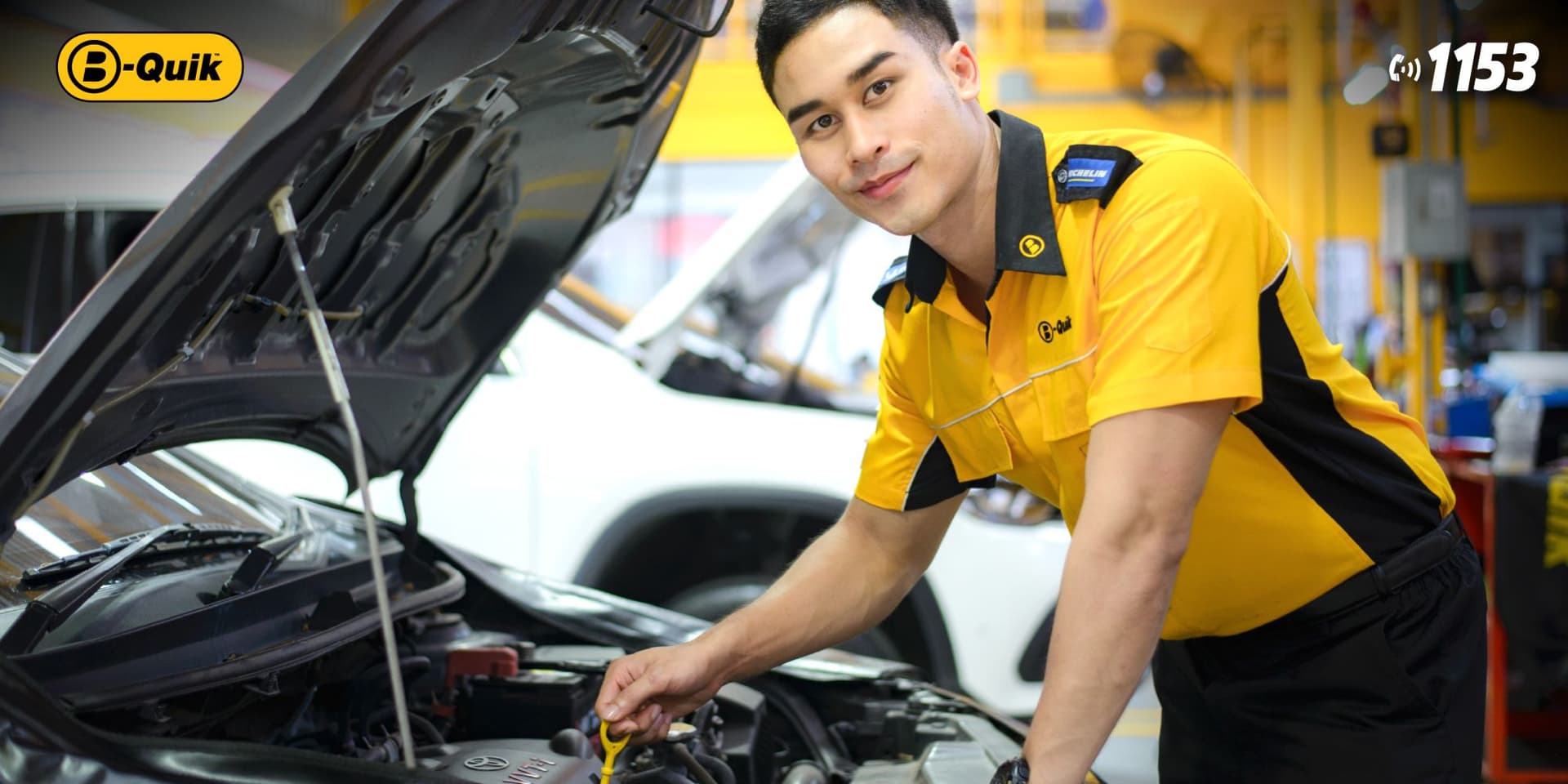
Before checking the engine oil, park your car on a level surface, turn off the engine, and wait approximately 2–3 minutes to allow the oil to drain back into the oil pan. Then, pull out the dipstick, wipe it clean, reinsert it fully, and pull it out again.
The engine oil level should be between the L (Low) and F (Full) marks. If the level is below the recommended range, top up or change the engine oil before your journey.
2. Check the Battery
For batteries that require distilled water, check that the water level is within the recommended range. For maintenance-free or low-maintenance batteries, you can check the battery's condition using its indicator window, if equipped.
If the battery shows signs of deterioration or the engine is difficult to start, you should have the battery replaced before traveling to reduce the risk of being unable to start your car along the way.
3. Check the Coolant Level
You should check the coolant level only when the engine is cold. The coolant should be between the Min and Max marks on the coolant reservoir.
You should also check for signs of coolant leaks around the engine compartment or underneath the vehicle to help prevent engine overheating during your journey.
4. Check Tire Pressure and Condition
Inflate your tires to the pressure recommended by the vehicle manufacturer. Inspect the tread, check for cracks or other damage on all tires, and remember to check the spare tire as well.
To help reduce air loss and maintain driving stability, you may consider using nitrogen tire inflation, which can help reduce pressure loss and maintain tire pressure for longer than ordinary air under certain conditions.
Checking your car before a long journey does not take much time, but it can help reduce the risk of problems along the way, improve safety, and make your trip smoother. If you are not comfortable performing these checks yourself, you can take your car to a professional technician for an inspection to ensure it is ready for the journey.
FAQ Section
Q: What should you check on your car before a long journey?
A: You should check at least 4 key areas: engine oil, battery, coolant, and tire pressure. These checks help ensure your car is ready for use and reduce the risk of problems during your journey.
Q: When should you check the engine oil level?
A: You should check the oil approximately 2–3 minutes after turning off the engine, with the car parked on a level surface, to obtain an accurate reading.
Q: Why should you check the coolant before a long journey?
A: Coolant helps regulate engine temperature. If the level is too low or there is a leak, the engine may overheat and sustain damage.
Q: Are nitrogen-filled tires suitable for long journeys?
A: Yes. Nitrogen can help maintain tire pressure and reduce pressure loss, potentially contributing to more stable driving. However, you should still check tire pressure regularly, regardless of whether you use nitrogen or ordinary air.
Share:


