

August 28, 2026
How Should You Maintain a Car That Has Been Parked for a Long Time? 4 Ways to Prevent Deterioration Before Using It Again
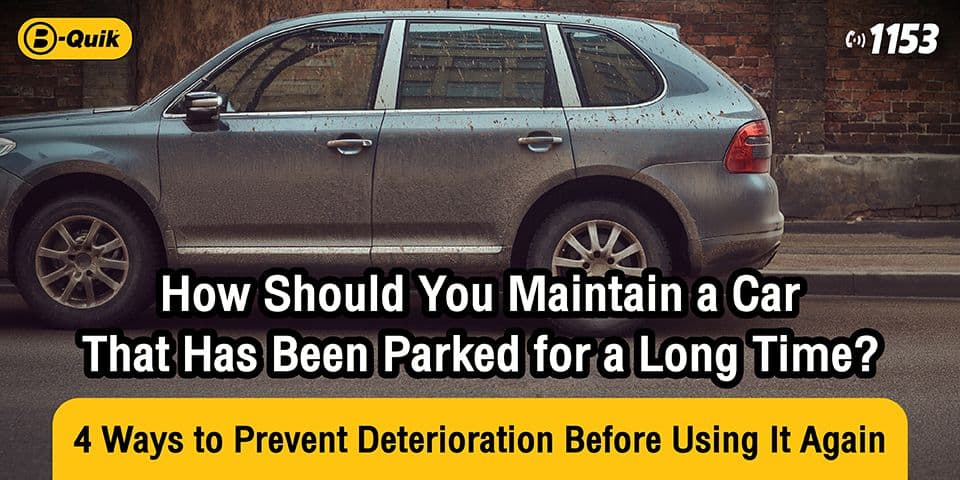
How Should You Maintain a Car That Has Been Parked for a Long Time? 4 Ways to Prevent Deterioration Before Using It Again
Many people may think that leaving a car parked without driving it has no effect on its condition. In reality, a vehicle that remains unused for an extended period may experience deterioration in various components, including the battery, tires, and fluids within its systems. Therefore, if you need to leave your car parked for a long time, you should prepare it properly by following these recommendations.
1. Start the Engine at Least Once a Week
Even when a car is not being driven, it continues to draw power from the battery to operate various onboard systems. If left unused for too long, the battery may lose its charge, preventing the engine from starting.
It is recommended that you start the engine at least once a week and let it idle for approximately 10 minutes to help maintain the battery's charge.
2. Check the Engine Oil Before Using the Car Again
Even when a car is not being driven, engine oil can deteriorate over time. Therefore, you should check the condition of the engine oil before putting the vehicle back into use.
In general, engine oil should be changed every 6 months or according to the mileage and oil type specified by the manufacturer to ensure that the engine receives proper lubrication.
3. Maintain Tire Pressure and Inspect Tire Condition
If a car remains parked for more than one month, its weight presses down on the same areas of the tires for an extended period, potentially causing tire deformation.
Before leaving your car parked for a long time, you should slightly increase the tire pressure above the normal recommended level. Before driving again, check the tire pressure, tread condition, and sidewalls to ensure safe driving.
4. Choose a Suitable Parking Location
You should park your car in a covered area that protects it from sunlight and rain to reduce deterioration of the paintwork, tires, and various plastic components.
In addition, avoid parking under trees, as tree sap, bird droppings, or falling branches may damage your vehicle. If outdoor parking is unavoidable, using a high-quality car cover is another way to protect your car.
Preparing your car properly before leaving it parked for a long time helps reduce the risk of problems when you start using it again, including a dead battery, tire deformation, and deteriorated fluids. This helps keep your vehicle ready for use, improves safety, and reduces long-term maintenance costs.
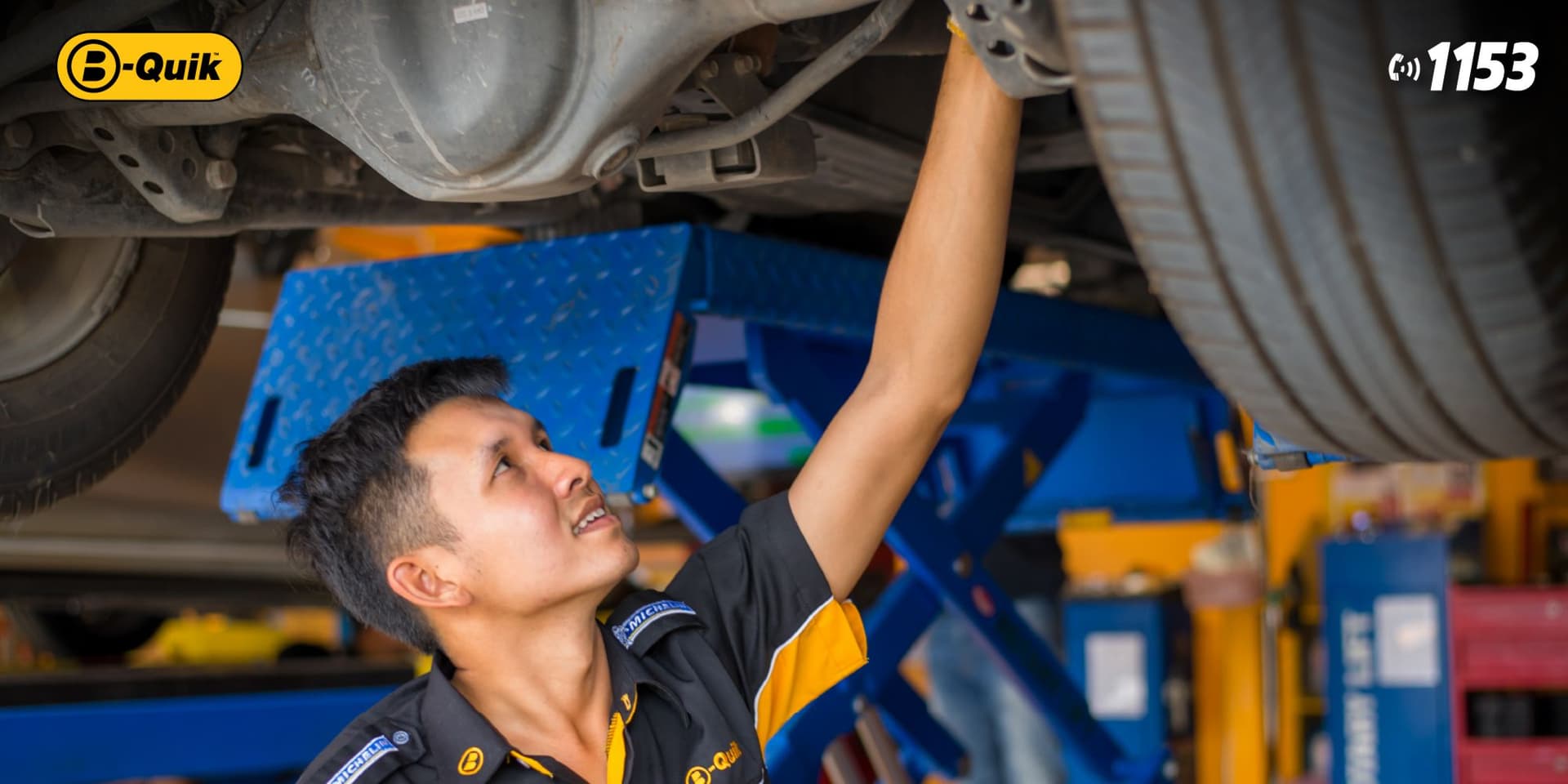
If you need a vehicle inspection before or after leaving your car parked for an extended period, you can receive a free 30-point vehicle inspection at any B-Quik service center. Professional technicians are available to provide comprehensive services and advice on proper vehicle maintenance.
FAQ Section
Q: Can the battery really lose its charge if a car is left parked for a long time?
A: Yes. Even when a car is not being used, some electrical systems continue to draw power from the battery. Therefore, it is recommended that you start the engine at least once a week.
Q: Does engine oil need to be changed if the car is not being used?
A: Yes. Engine oil can deteriorate over time even when the car is not being driven. Therefore, you should check and change the oil according to the manufacturer's recommended schedule.
Q: Can leaving a car parked for a long time damage the tires?
A: Yes. The vehicle's weight presses down on the same areas of the tires for an extended period, potentially causing deformation. Therefore, you should maintain appropriate tire pressure and inspect the tires before driving again.
Q: Where should you park a car if it will not be used for a long time?
A: You should park in a covered area and avoid exposure to direct sunlight, rain, and falling debris from trees. If outdoor parking is unavoidable, use a car cover to help protect the vehicle.
Share:


