

July 29, 2026
What Does an Oil Filter Do? Why It Should Be Changed With Every Oil Change
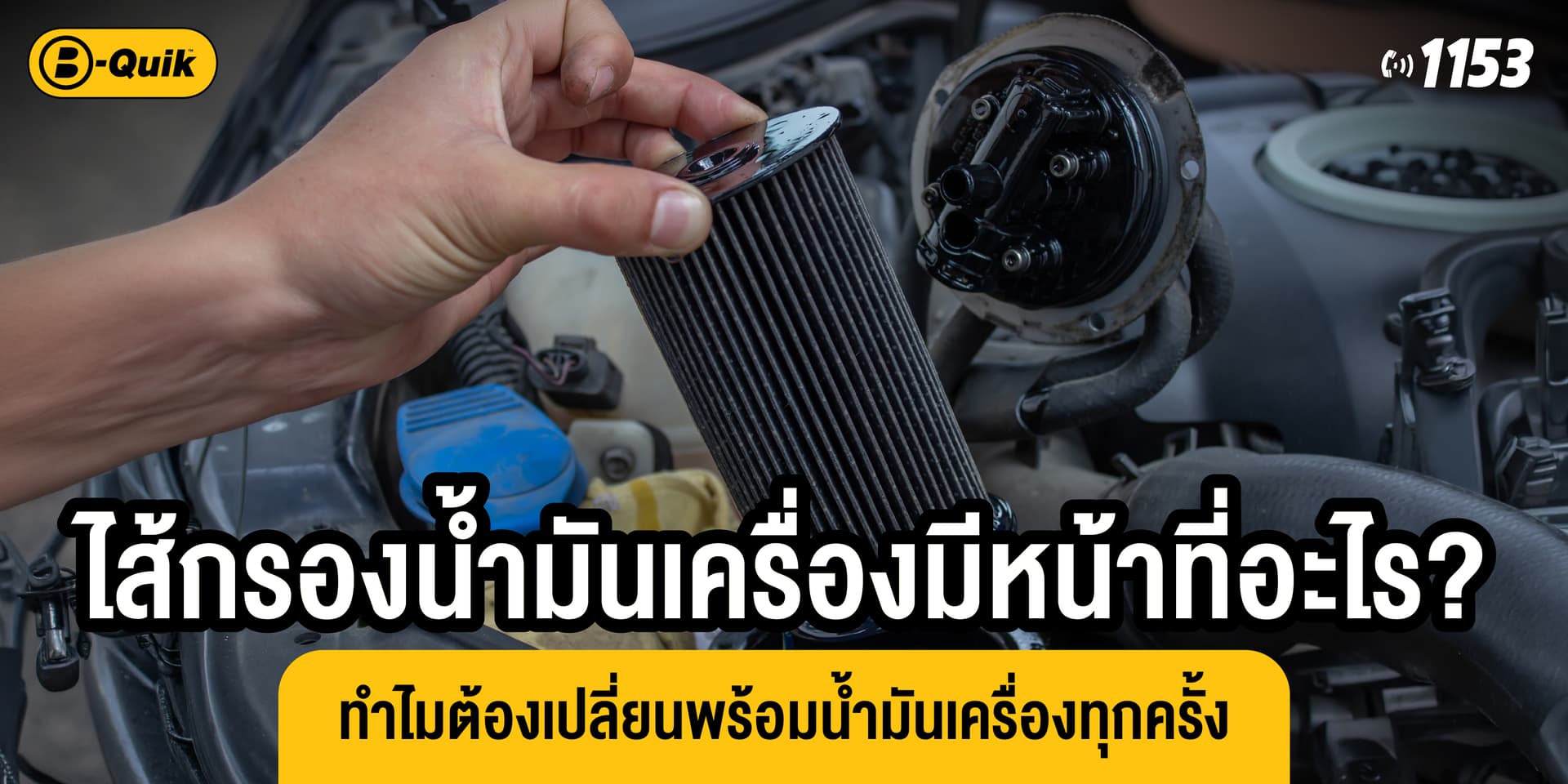
What Does an Oil Filter Do?
Many people focus on changing their engine oil but overlook changing the oil filter, even though the two parts work closely together.
The oil filter's job is to filter out contaminants mixed into the engine oil, such as:
- Metal particles from engine wear
- Soot deposits
- Dust particles
- Sludge and other impurities
As engine oil flows through the filter, contaminants are trapped in the filter paper before the clean oil circulates back to lubricate the various components inside the engine.
For this reason, the oil filter plays an important role in maintaining the efficiency of the lubrication system and reducing engine wear.
What Is a Bypass Valve?
Inside the oil filter is a component called a bypass valve, or safety valve.
This component allows engine oil to flow through without passing through the filter paper if the filter becomes clogged and oil pressure rises above the specified level.
Although the oil isn't filtered during that period, this system prevents the engine from running short of lubricating oil, which could otherwise cause severe damage.
However, if the filter becomes clogged so often that the bypass valve is frequently activated, it's a sign that the filter should be replaced immediately.
Why Should You Change the Oil Filter Along With the Engine Oil?
Engine oil lubricates, dissipates heat, and cleans the engine. However, over time, it degrades and accumulates more contaminants.
This can be observed from:
- The oil turning darker in color
- Increased viscosity
- Soot and sediment mixed in
At the same time, the oil filter also accumulates a large amount of dirt.
If you replace only the engine oil while keeping the old filter, the dirt accumulated inside the filter may contaminate the new oil, reducing its effectiveness from the very start.
What Happens If You Don't Change the Oil Filter?
When the filter becomes clogged or deteriorated, it may result in:
- Engine oil not circulating at full efficiency
- Contaminants recirculating back into the engine
- Internal engine components wearing out faster than normal
- Sludge buildup in the lubrication system
- A shorter engine lifespan
Changing the engine oil together with the filter is therefore a way to help keep the engine clean and ensure the lubrication system operates at full efficiency.
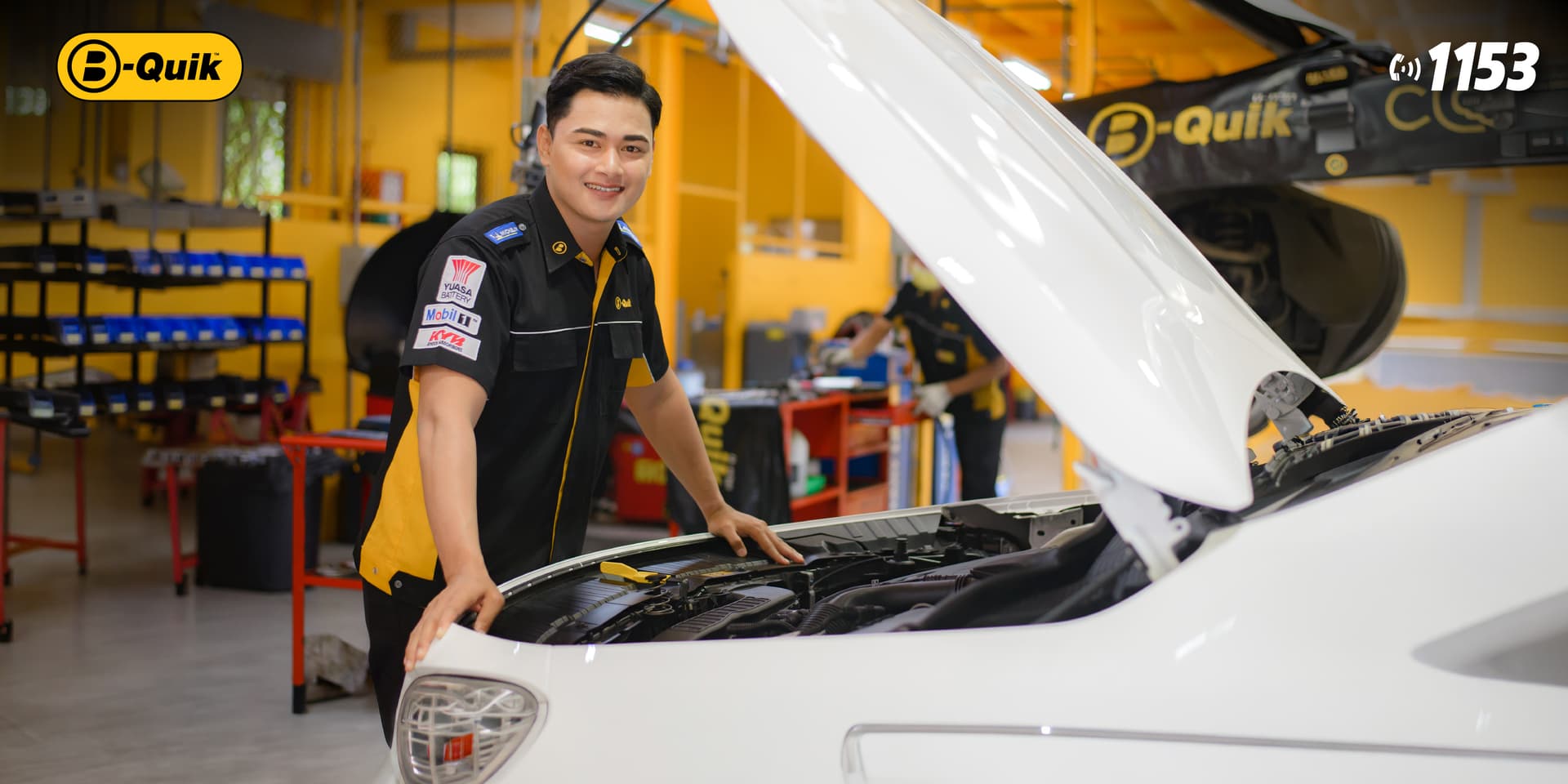
Change Your Engine Oil and Filter at B-Quik
If you're looking for an engine oil change near me, a car oil change shop near me, or an oil change center, B-Quik is ready to provide engine oil and oil filter change services performed by a team of expert technicians.
You can check engine oil prices, choose the right oil and filter for your vehicle model, and get a basic vehicle inspection — keeping your engine clean, running at full efficiency, and ready for every journey.
FAQ Section
What does an oil filter do?
The oil filter removes metal particles, soot, dust, and other contaminants from the engine oil before it circulates back to lubricate the internal engine components.
Why should you change the filter along with the engine oil?
Because the filter accumulates dirt from use. If you keep the old filter, the new oil may become contaminated immediately, reducing lubrication performance.
What is a bypass valve?
A bypass valve, or safety valve, is a valve inside the oil filter that allows engine oil to flow through when the filter is clogged, preventing the engine from losing lubrication.
What are the consequences of not changing the oil filter?
It may cause contaminants to recirculate into the engine, increase wear, reduce oil effectiveness, and shorten the engine's lifespan.
How often should you change the oil filter?
It should be changed every time you change the engine oil, to keep the lubrication system running at full efficiency and maintain cleanliness inside the engine.
Share:


