

August 25, 2026
How do worn shocks affect safety? 4 things every driver should know
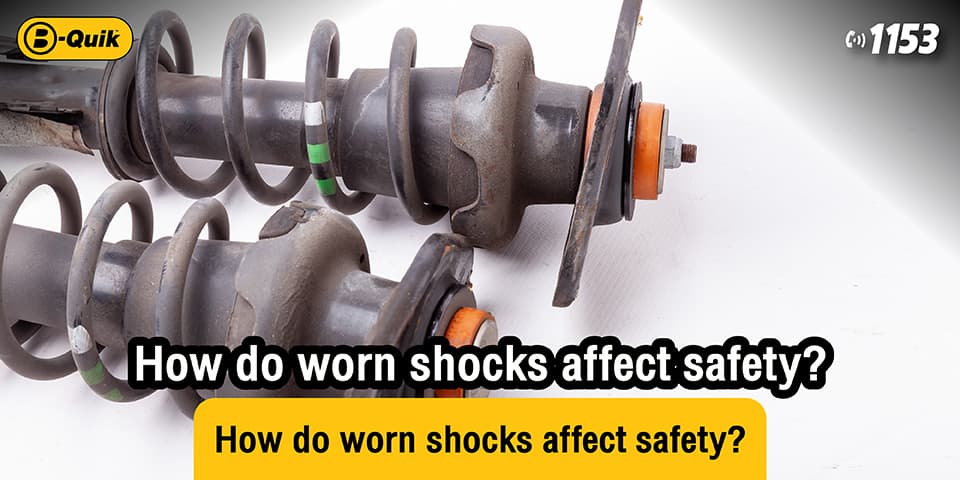
How Do Worn Shock Absorbers Affect Safety? 4 Things Every Driver Should Know
Many people believe that car shock absorbers are only responsible for absorbing impacts and providing a smoother ride. In reality, shock absorbers are also essential components of the suspension system, helping the wheels and tires maintain effective contact with the road. This directly affects vehicle handling, braking performance, and driving safety.
Did you know that the actual contact area between a car tire and the road is only about the size of a postcard per tire? If the shock absorbers deteriorate, the tires may not maintain proper contact with the road, reducing traction and increasing risks in several situations, as explained below.
1. Longer Braking Distances
Worn shock absorbers can cause the wheels to bounce and lose optimal road contact, reducing braking effectiveness and increasing stopping distances. This is particularly dangerous in emergencies when you need to stop suddenly.
2. Loss of Vehicle Stability When Cornering
When taking a corner, the vehicle's weight shifts to one side. If the shock absorbers are not functioning properly, the car may roll more than usual, reducing tire grip and increasing the risk of losing control, especially at high speeds or when carrying heavy loads.
3. Increased Risk of Aquaplaning
When driving on wet roads, a thin layer of water can form between the tire tread and the road surface, causing the vehicle to lose traction and potentially aquaplane. If the shock absorbers are worn, the tires may not maintain sufficient contact with the road, increasing the likelihood of aquaplaning and making the vehicle more difficult to control.
4. Faster Wear of Tires and Braking Components
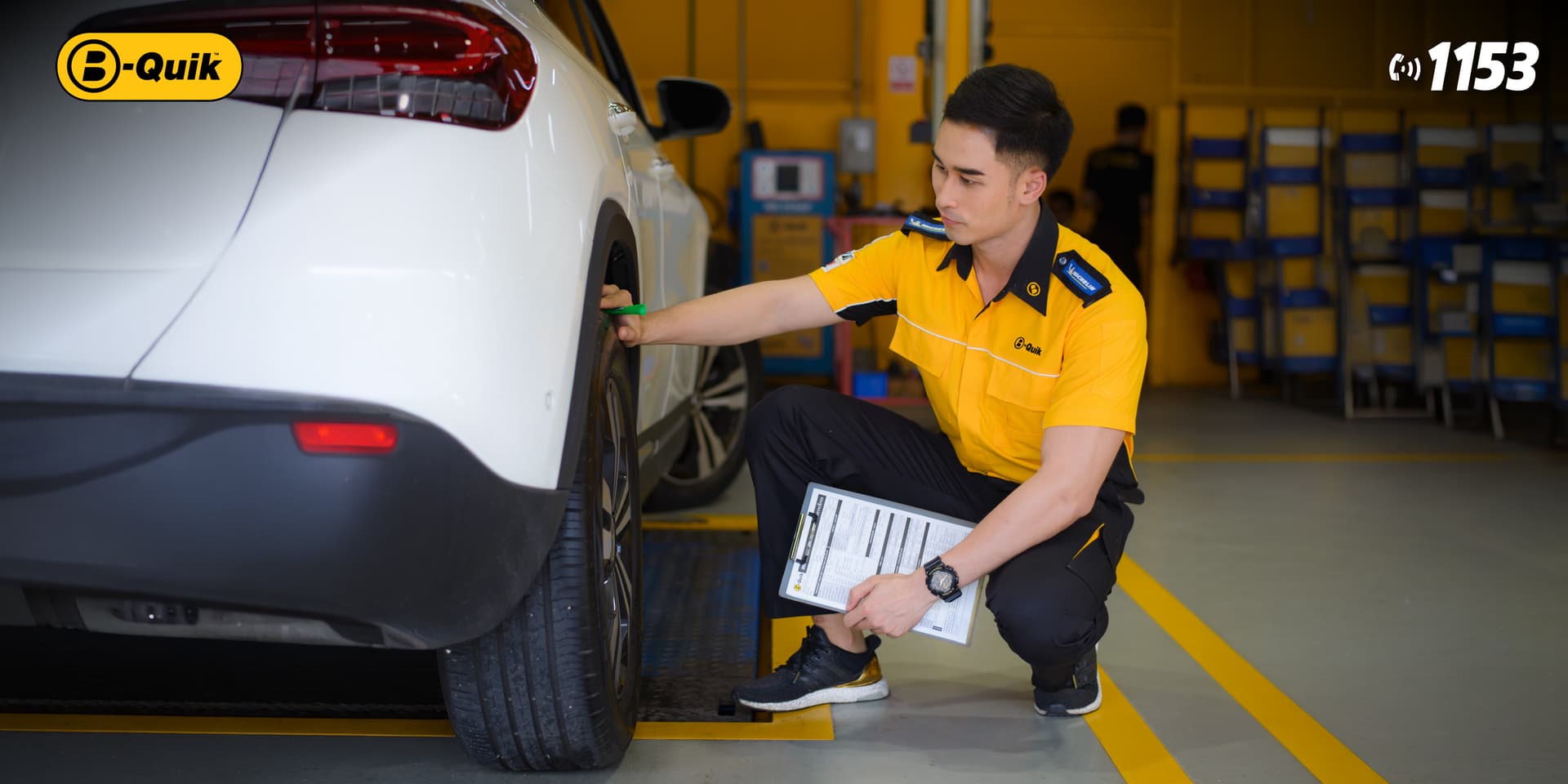
Worn shock absorbers can cause uneven tire wear, place additional strain on the braking system, and increase the load on suspension components. This can lead to higher maintenance costs and shorten the lifespan of various vehicle components.
When should you have your shock absorbers inspected?
- If you notice any of the following symptoms, you should have your car inspected immediately.
- Excessive bouncing after driving over speed bumps
- Excessive body roll or swaying when cornering
- An unstable steering wheel when driving at high speeds
- Uneven tire wear
- Signs of oil leakage around the shock absorbers
Regularly inspecting your shock absorbers, suspension system, and tires helps maintain traction, reduce braking distances, and improve safety on every journey.
If you are unsure whether your shock absorbers are still in good condition, you can take your car to any B-Quik service center for an inspection. Professional technicians are available to provide expert advice and comprehensive services.
FAQ Section
Q: What is the function of shock absorbers?
A: Shock absorbers help absorb impacts, reduce vibrations, and keep the tires in consistent contact with the road to improve traction and driving safety.
Q: What happens when shock absorbers deteriorate?
A: Worn shock absorbers can increase stopping distances, cause excessive body roll when cornering, reduce road traction, and accelerate wear on tires and suspension components.
Q: How often should you have your shock absorbers inspected?
A: You should have your shock absorbers inspected during routine vehicle maintenance or when the car has traveled approximately 20,000 kilometers, as well as whenever you notice unusual suspension behavior.
Q: Do worn shock absorbers really cause tires to wear out faster?
A: Yes. Worn shock absorbers can cause uneven tire contact and pressure distribution, resulting in abnormal tire wear and reduced road traction.
Share:


