

August 28, 2026
Can Car Tires Really Help Save Fuel? 4 Ways to Choose and Maintain Tires to Improve Fuel Efficiency
Can Car Tires Really Help Save Fuel? 4 Ways to Choose and Maintain Tires to Improve Fuel Efficiency
Fuel efficiency does not depend on the engine alone. Other factors also affect a vehicle's energy consumption, including its wheels and tires. Since tires are the only part of the vehicle that comes into direct contact with the road, their quality, condition, size, and inflation pressure can all affect driving performance and fuel consumption.
One important factor is rolling resistance, which is the force that occurs as tires rotate and make contact with the road surface. When rolling resistance is high, the vehicle requires more energy to move, resulting in increased fuel consumption.
Choosing the right tires and maintaining them properly can therefore help a vehicle use energy more efficiently. Let's look at four tire care tips that drivers can put into practice.
1. Choose the Right Type of Tires for Your Driving Needs
Tire tread patterns and construction affect rolling resistance. Tires designed for specific purposes, such as off-road tires with large, deep tread blocks, may have higher rolling resistance than tires designed for regular road driving.
If you primarily drive on paved roads, you should choose tires that suit your driving habits and road conditions. This helps maintain a balance between road grip, safety, and energy efficiency.
2. Check Your Tire Condition Regularly
Worn or damaged tires can prevent a vehicle from performing at its best and may place additional demands on the drivetrain. They can also affect driving safety.
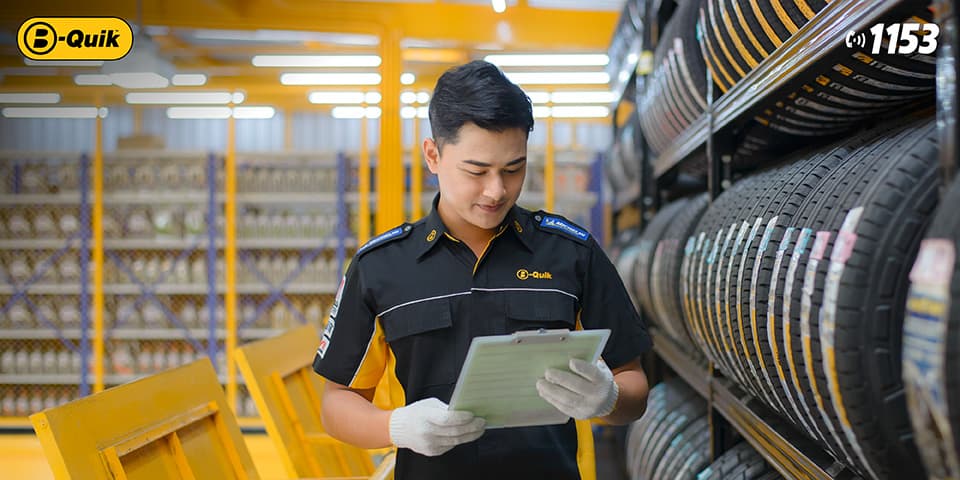
You should regularly inspect your tire tread, check for cracks, bulges, and other damage, and look for uneven tread wear. If you notice any damage or signs of deterioration, have your tires inspected by a professional and replaced when necessary.
3. Choose the Right Tire Size for Your Vehicle and Driving Needs
Tire size and weight can affect rolling resistance and energy efficiency. Choosing tires that differ from the specifications recommended by the vehicle manufacturer may affect vehicle performance, handling, and fuel consumption.
You should therefore choose tires that match your vehicle's specifications and consider how you use your car, whether for city driving, long-distance trips, or carrying heavy loads. This helps ensure that your tires are suitable for your driving needs.
4. Maintain the Correct Tire Pressure
Tire pressure is another important factor that drivers should check regularly. If the tires are underinflated, more of the tire surface may come into contact with the road, potentially increasing rolling resistance and causing the vehicle to use more energy.
On the other hand, overinflating tires can reduce road grip and cause uneven tread wear. You should therefore inflate your tires to the pressure recommended by the vehicle manufacturer and check the pressure when the tires are cold to obtain an appropriate reading.
How Can Car Tires Help Improve Fuel Efficiency?
Proper tire maintenance does more than help improve fuel efficiency. It also helps a vehicle operate more efficiently, particularly by reducing unnecessary rolling resistance.
In addition to choosing tires that suit your vehicle, you should regularly check tire pressure, tread condition, and any signs of abnormal wear or damage. Tires that are in good condition contribute to safety, driving performance, and fuel efficiency.
If you need to have your tires inspected or want help choosing tires that suit your vehicle and driving needs, visit any B-Quik branch near you. B-Quik is open daily from 8:00 AM to 9:00 PM, with no days off. For more information, call 1153.
FAQ Section
Q: Do car tires affect fuel efficiency?
A: Yes. Tires contribute to a vehicle's rolling resistance. If rolling resistance is high, the vehicle may require more energy to move. Choosing and maintaining tires properly can therefore help the vehicle use energy more efficiently.
Q: What is rolling resistance?
A: Rolling resistance is the force that occurs as tires rotate and make contact with the road surface. Higher rolling resistance means the vehicle requires more energy to maintain movement.
Q: Do underinflated tires increase fuel consumption?
A: They can increase energy consumption because underinflated tires can increase rolling resistance. You should therefore check your tire pressure regularly and inflate your tires according to the vehicle manufacturer's recommendations.
Q: How should you choose tires to improve fuel efficiency?
A: Choose tires that match the size and specifications recommended by the vehicle manufacturer and suit your driving needs, such as city driving or long-distance trips. You should also consider the tires' rolling resistance characteristics.
Q: What should you check when inspecting your car tires?
A: You should check tire pressure, tread condition, uneven wear, cracks, bulges, and other signs of damage to ensure that your tires are safe and ready for use.
Share:


