

July 29, 2026
Nitrogen vs. Regular Air: Which Is Right for Your Tires?
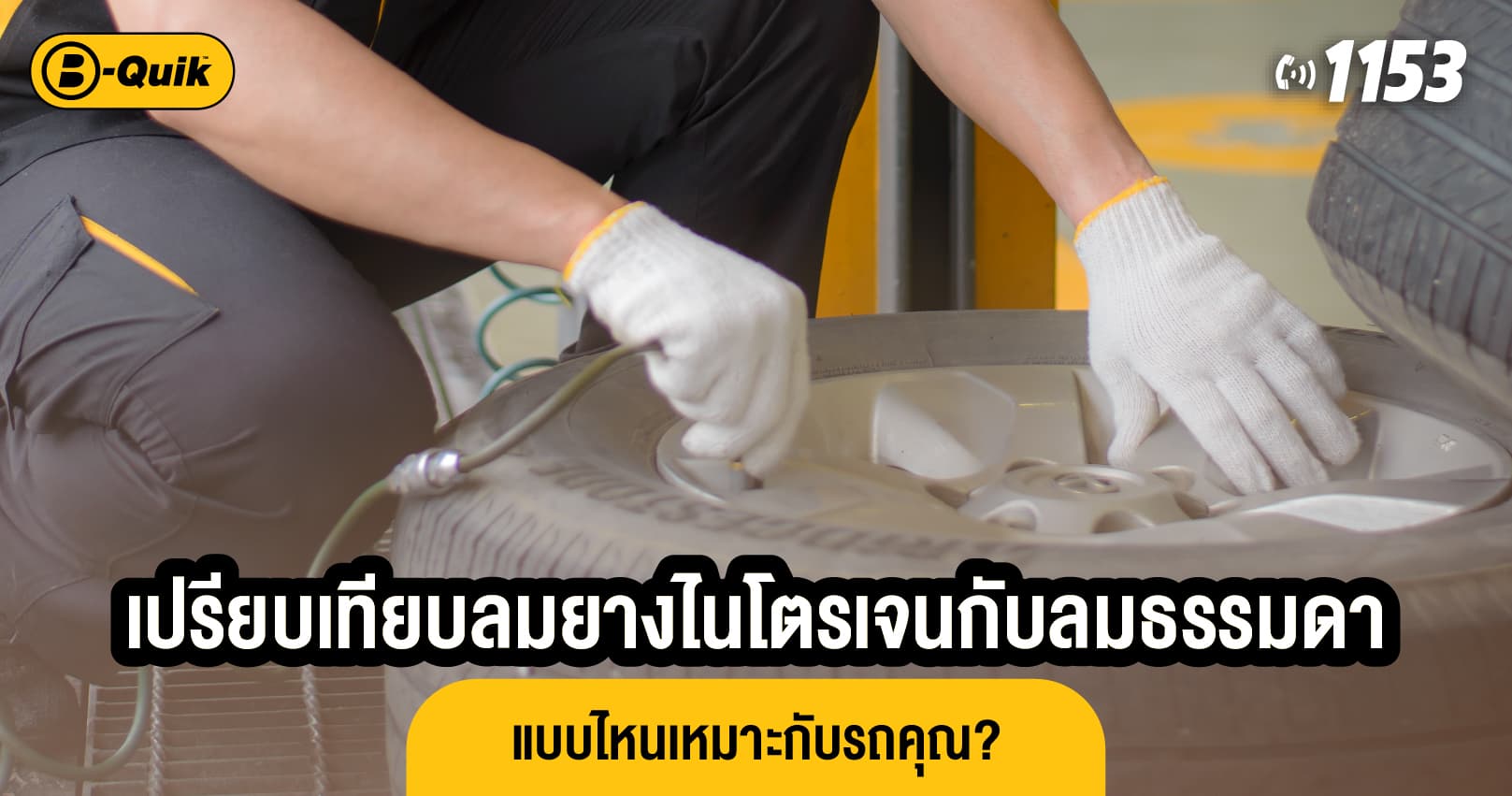
If you ask what factor most affects tire performance, many people would immediately think of tread pattern or tire quality. But in reality, tire pressure is another critical factor that affects road grip, handling, tire lifespan, and fuel consumption. That's why car manufacturers recommend checking tire pressure regularly, at least 1-2 times a month, to keep pressure at the proper level. Nowadays, besides regular air inflation, there's also the increasingly popular option of nitrogen tire inflation, valued for its ability to maintain stable pressure for longer. So how do these two types of tire inflation differ, and which one is right for your driving needs?
What's the Difference Between Nitrogen and Regular Air?
The regular air we normally use to inflate tires is ordinary air made up of several gases, with nitrogen already being the main component. Nitrogen tire inflation, on the other hand, is nitrogen gas that has gone through a separation process to increase its purity and reduce its moisture content compared to regular air. The key differences lie in:
- The purity level of the gas
- The amount of moisture in the air
- The ability to maintain pressure
Nitrogen has lower moisture content, which helps tire pressure change more slowly than with regular air.
Why Is Tire Pressure So Important for Driving?
Before choosing which type of air to use, it's important to understand how tire pressure affects your driving. If tire pressure is too low, it can lead to:
- Faster-than-normal tire wear
- Increased braking distance
- More difficult handling
- Higher fuel consumption
On the other hand, if tire pressure is too high, it can reduce road grip and affect ride comfort. Regardless of which type of air you use, maintaining the correct tire pressure is the most important thing.
Benefits of Nitrogen Tire Inflation Every Driver Should Know
The reason nitrogen tire inflation has grown in popularity is its ability to make tire maintenance easier. It also:
- Helps maintain stable tire pressure for longer
- Reduces moisture inside the tire
- Reduces pressure changes caused by temperature
- Helps tires perform more efficiently
Those who drive frequently, or find it inconvenient to check tire pressure often, may benefit from these properties more than the average driver. The key advantage of nitrogen tire inflation is that it reduces how often pressure is lost, keeping tire pressure more stable.
Does Nitrogen Really Mean You Never Have to Check Tire Pressure?
This is a common misconception. While nitrogen does maintain pressure better, it doesn't mean you can skip checking your tire pressure altogether. Drivers should still check tire pressure regularly, especially before a long trip or if the car is used heavily on a regular basis. Nitrogen reduces how often you need to top up the pressure, but it cannot replace regular tire pressure checks.

Which Type of Air Is Right for Your Car?
In truth, both regular air and nitrogen can work effectively as long as tire pressure is kept at the proper level. Nitrogen may be a better fit for those who:
- Drive their car every day
- Take frequent long trips
- Want to reduce how often they need to top up their tires
- Don't have much time to check their car
Which one to choose ultimately depends on your driving habits and how convenient maintenance is for you.
Nitrogen or Regular Air: Which Is Better?
Both nitrogen and regular air can be used safely, as long as tire pressure is kept at the standard level recommended for your vehicle.
However, nitrogen has the advantage of more stable pressure and lower moisture content, making it easier to maintain proper tire pressure over the long term.
For those who want to reduce how often they top up their tires, or find it inconvenient to check tire pressure often, nitrogen may be the option that best fits their needs.
Whichever type of air you choose, maintaining the correct tire pressure and checking it regularly is the key to driving safety.
Share:


