

August 28, 2026
How Do You Know If Your Car Needs Wheel Alignment? 3 Important Signs You Shouldn't Ignore
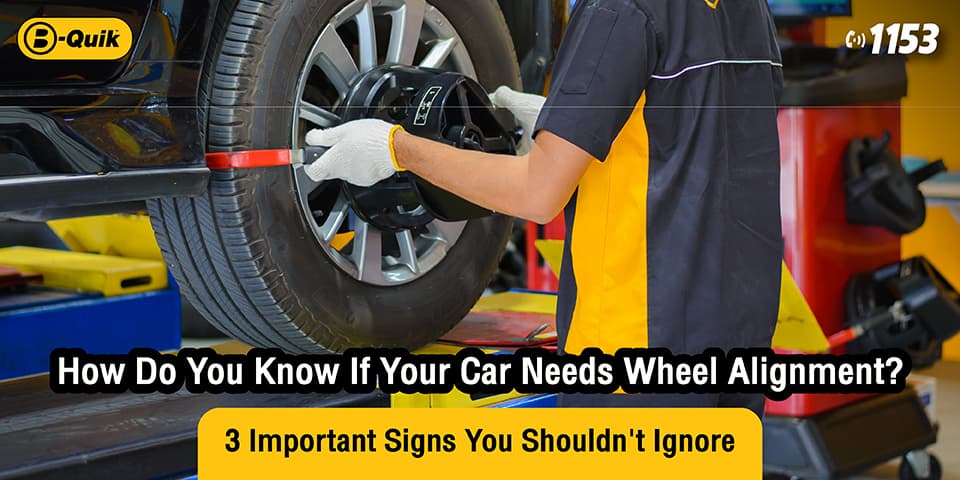
How Do You Know If Your Car Needs Wheel Alignment? 3 Important Signs You Shouldn't Ignore
Wheel alignment is the process of adjusting the angles and positions of a vehicle's wheels to meet the specifications recommended by the vehicle manufacturer. This ensures that all four wheels work together properly.
Proper wheel alignment helps maintain vehicle stability, improves steering control, and reduces abnormal wear on the steering system, suspension, and tires.
So, how do you know when your car needs a wheel alignment? If you notice any of the following signs, you should have your vehicle inspected.
1. The Steering Wheel Is Off-Center or the Car Pulls to One Side
If you are driving on a straight, level road but the steering wheel is not centered, or your car pulls or drifts to the left or right, this may indicate that the wheel alignment angles are outside the recommended range.
If you notice these symptoms, you should have your suspension system inspected and your wheel alignment checked to help ensure proper vehicle control.
2. Uneven Turning Response or Unusual Noises When Cornering
If turning left feels different from turning right, or you hear unusual noises when cornering, you should not ignore these signs. They may be related to the steering system, suspension, or wheel alignment angles.
Have a professional mechanic inspect your vehicle to identify the cause and help prevent problems that could affect vehicle handling and tire wear.
3. Uneven Tire Wear
Check whether the tire tread is wearing evenly across the entire surface. If certain areas wear faster than normal, such as the tire shoulders, or you notice an uneven wear pattern, this may indicate that your wheel alignment needs to be checked.
Proper wheel alignment helps reduce abnormal tread wear and extend the service life of your car tires.
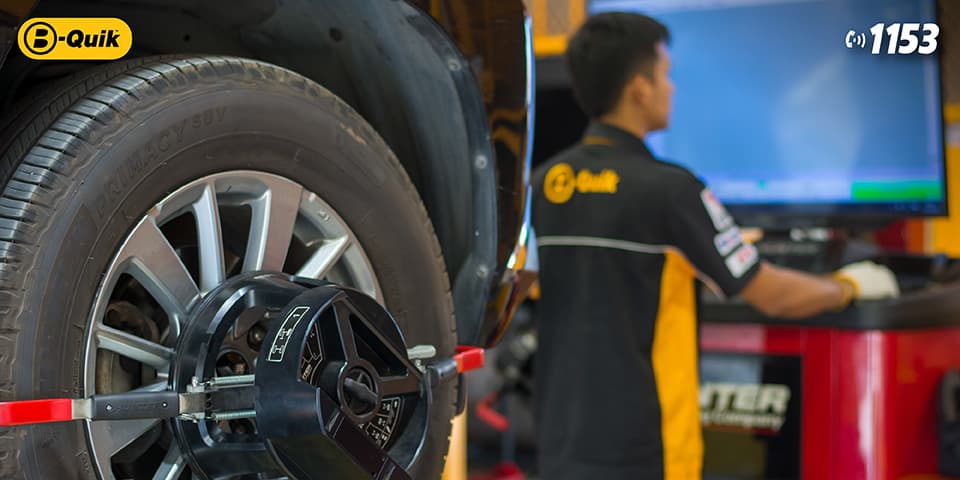
When Should You Get a Wheel Alignment?
In addition to watching for unusual symptoms, you should consider having your wheel alignment checked every 10,000 kilometers or whenever you install new tires. This helps ensure that the wheel alignment angles remain within the recommended range.
You should also have your vehicle inspected as soon as possible if you hit a pothole or strike a curb hard, or if you notice changes in the steering wheel or vehicle handling.
Wheel alignment is an important part of maintaining your tires and suspension system. It not only helps you drive with greater confidence but also reduces the risk of premature tire wear.
If you notice an off-center steering wheel, your car pulling to one side, uneven tire wear, or unusual behavior when cornering, you can visit a B-Quik branch to have a professional mechanic inspect your vehicle and recommend appropriate maintenance.
FAQ Section
Q: What is wheel alignment?
A: Wheel alignment is the process of adjusting the wheel angles and positions according to the specifications recommended by the vehicle manufacturer. It helps maintain vehicle stability and reduce wear on the tires and suspension system.
Q: What are the signs that your car needs a wheel alignment?
A: Signs to look out for include an off-center steering wheel, the car pulling to the left or right, different turning responses when turning left and right, and uneven tire wear.
Q: How often should you get a wheel alignment?
A: In general, it is recommended to have your wheel alignment checked every 10,000 kilometers or when installing new tires. You should also follow your vehicle manufacturer's recommendations.
Q: Is uneven tire wear related to wheel alignment?
A: It can be. Improper wheel alignment may cause the tire tread to make uneven contact with the road, resulting in abnormal wear. You should have your vehicle inspected to identify the cause.
Q: Do you need a wheel alignment after replacing your tires?
A: You should have your wheel alignment checked after replacing your tires to ensure that the wheel angles are within the recommended range and help promote even tire wear.
Share:


