

August 28, 2026
How Important Are Tire Rotation, Wheel Alignment, and Wheel Balancing? When Should You Do Them?
How Important Are Tire Rotation and Wheel Balancing? When Should You Have Them Done?
Have you ever wondered why, when you take your car in for a tire rotation, technicians often recommend checking or balancing the wheels at the same time? Proper tire maintenance involves more than just checking tire pressure or replacing worn-out tires. It also includes rotating the tires and balancing the wheels to help ensure that each tire performs efficiently and evenly.
What Is Tire Rotation, and When Should You Do It?
Tire rotation involves changing the positions of the tires according to a pattern suitable for the vehicle's drivetrain and the vehicle manufacturer's recommendations. This helps ensure that all four tires wear at a similar rate.
In general, tire rotation is recommended approximately every 10,000 kilometers or according to the vehicle manufacturer's recommendations. However, the interval and rotation pattern may vary depending on the vehicle type and the tires being used.
In addition to promoting even tire wear, tire rotation provides an opportunity to inspect each tire for abnormal wear, cracks, bulges, or other damage that may require attention.
What Is Wheel Balancing?
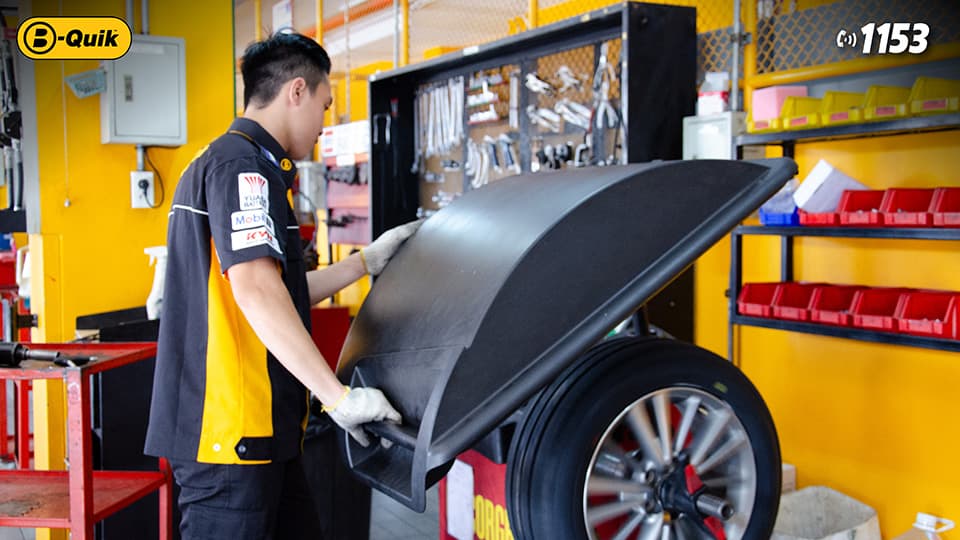
Wheel balancing involves adjusting the balance of the wheel and tire assembly by installing small balancing weights in the appropriate positions. This helps the wheels rotate evenly, reduces vibrations, and improves driving comfort.
If the wheels and tires are unbalanced, you may notice a vibrating steering wheel, vehicle vibrations, or other noticeable shaking while driving, particularly at certain speeds.
Why Should You Have Your Wheels Balanced After Tire Rotation?
When tires are removed from the wheels and repositioned, the wear conditions and balance of the wheel and tire assemblies may differ from their previous state. Checking and balancing the wheels can help restore proper balance.
Therefore, rotating the tires and checking wheel balance when necessary helps the tires perform effectively in their new positions and reduces vibration while driving.
When Should You Have Your Tires Rotated and Wheels Balanced?
You should consider tire rotation and wheel balancing in the following situations:
- When you reach the recommended interval, such as approximately every 10,000 kilometers
- After installing new tires
- After removing and reinstalling tires
- When you notice vibrations in the steering wheel or vehicle while driving
- When uneven tire tread wear is detected
- When a wheel balancing weight falls off or repairs are performed on the wheels or tires
Proper tire rotation and wheel balancing are important parts of vehicle maintenance. They help promote even tire wear, improve driving confidence, and allow you to get more value from your tires.
If you need tire rotation, wheel balancing, or a tire inspection, you can visit any B-Quik service center nationwide for comprehensive tire services and advice. For more information, call 1153.
FAQ Section
Q: How often should you rotate your car tires?
A: In general, tire rotation is recommended approximately every 10,000 kilometers or according to the vehicle manufacturer's recommendations. This helps ensure that all four tires wear at a similar rate.
Q: Is wheel balancing necessary after tire rotation?
A: You should check wheel balance whenever tires are removed and reinstalled, especially if you notice vibrations or unusual behavior while driving. This helps ensure that the wheels and tires rotate evenly.
Q: What symptoms indicate that your wheels need balancing?
A: If you notice vibrations in the steering wheel or vehicle, particularly at certain speeds, or if a wheel balancing weight has fallen off, you should have your vehicle inspected and the wheels balanced.
Q: What are the benefits of tire rotation?
A: Tire rotation helps ensure that the tread on each tire wears at a similar rate, reduces the risk of abnormal wear, and helps you get more value from your tires.
Q: What is the difference between wheel alignment and wheel balancing?
A: Wheel alignment involves adjusting the wheel angles to the specifications set by the vehicle manufacturer, while wheel balancing involves adjusting the balance of the wheel and tire assembly to reduce vibrations while driving.
Share:


