

August 28, 2026
Which Tire Tread Pattern Is Right for You? Choose the Right One for Your Driving Style and Safety
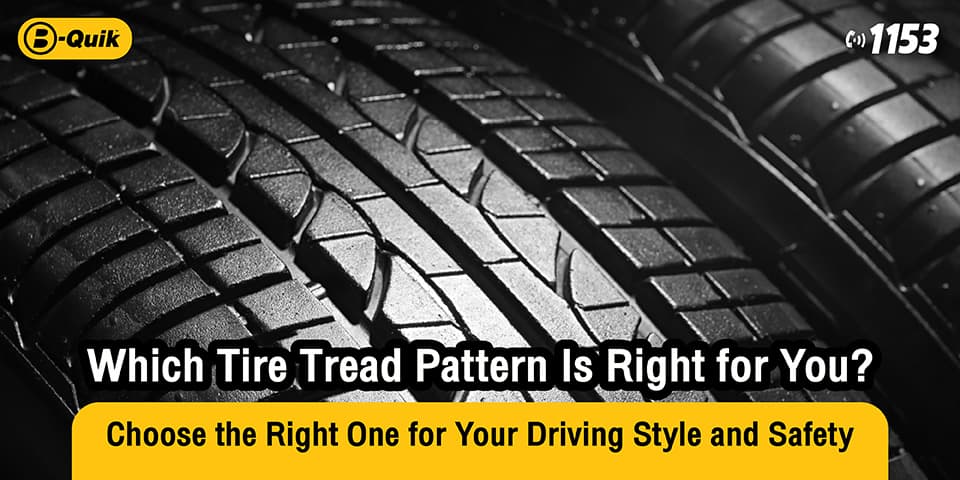
Which Tire Tread Pattern Is Right for You? Choose the Right One for Your Driving Style and Safety
Car tires are an essential component that comes into direct contact with the road, playing a major role in road grip, vehicle handling, and driving safety. Choosing car tires should therefore involve more than just considering their size or price. You should also select tires that suit your driving habits and intended use.
Another important factor to understand is the "tire tread," which helps maintain road grip and channel water away from the tire surface. You should regularly check your tire tread depth and replace your tires when the tread wears down below an appropriate level.
Car tires come in various tread patterns, but three common types can be categorized as follows.
1. Symmetrical Tire Tread
Symmetrical tire tread features a pattern that is designed to be the same on both sides of the tire, allowing it to be used in either direction. This provides flexibility when rotating tires, as they can be moved between positions according to the appropriate rotation pattern for the vehicle.
Key benefit: Suitable for general driving, offering good value and practicality for everyday use rather than being primarily designed for high-speed driving.
2. Directional Tire Tread
Directional tire tread is designed to rotate in a specific direction. The tire sidewall features a clearly marked symbol or arrow indicating the correct direction of rotation.
Therefore, when rotating directional tires, they must be installed so that they rotate in the direction specified by the manufacturer. For example, they can be rotated from front to rear on the same side of the vehicle.
Key benefit: The tread pattern is designed to channel water away from the tire surface efficiently. This makes directional tires suitable for drivers who frequently encounter wet roads or rainy conditions, while helping reduce the risk of hydroplaning.
3. Asymmetrical Tire Tread
Asymmetrical tires feature different tread patterns on the inner and outer sections of the tire. Each section is designed for a specific purpose. For example, one side may prioritize water drainage and wet-road grip, while the other helps improve traction and vehicle control when cornering.
The tire sidewall is marked with the words "Inside" and "Outside" to indicate the correct installation position. The "Outside" marking must always face the outside of the vehicle.
Key benefit: Suitable for drivers who prioritize road grip and vehicle handling, particularly when cornering or driving at higher speeds. However, the tires should be selected according to the specifications of the tire and vehicle manufacturers.

Choose the Right Tire Tread for Your Driving Style
No single tire tread pattern is the best choice for every vehicle, as each type is designed for different driving conditions and requirements. If you use your car for everyday driving and do not frequently drive at high speeds, symmetrical tires may be a suitable option.
If you frequently drive in rainy conditions or on wet roads, directional tires may be a good choice because they are designed to channel water away from the tire surface. Meanwhile, drivers who prioritize vehicle handling and cornering performance may consider asymmetrical tires, depending on their needs.
However, when choosing tires, you should consider the tire size, vehicle specifications, driving conditions, and manufacturer recommendations together. You should also regularly check tire pressure, tread condition, and any signs of abnormal wear or damage to ensure your tires remain in good condition and help improve driving safety.
If you're unsure which type of tire is right for your vehicle, you can visit any B-Quik branch nationwide for professional advice and tire inspections. Our experts can help you choose tires that suit your vehicle and driving needs.
FAQ Section
Q: How many types of car tire tread patterns are there?
A: There are three common types of tire tread patterns: symmetrical, directional, and asymmetrical. Each type has different designs and characteristics.
Q: Who should use directional tire tread?
A: Directional tires are suitable for drivers who frequently drive on wet roads or in areas with regular rainfall. Their tread patterns are designed to channel water away from the tire surface, and they must be installed according to the direction marked on the tire sidewall.
Q: How should asymmetrical tires be installed?
A: They must be installed with the side marked "Outside" facing outward and the side marked "Inside" facing inward to ensure the tread performs as designed by the manufacturer.
Q: What type of driving is symmetrical tire tread suitable for?
A: Symmetrical tires are suitable for everyday driving and offer flexibility when rotating tires according to the appropriate rotation pattern for the vehicle.
Q: How should you choose the right tire tread pattern?
A: You should consider your driving habits, road conditions, driving style, tire size and specifications, as well as the recommendations of your vehicle and tire manufacturers, to ensure the tires are suitable for your vehicle and intended use.
Share:


