

July 29, 2026
Which Tires Are Best for the Rainy Season? How to Choose Tires for a Safe Rainy Season
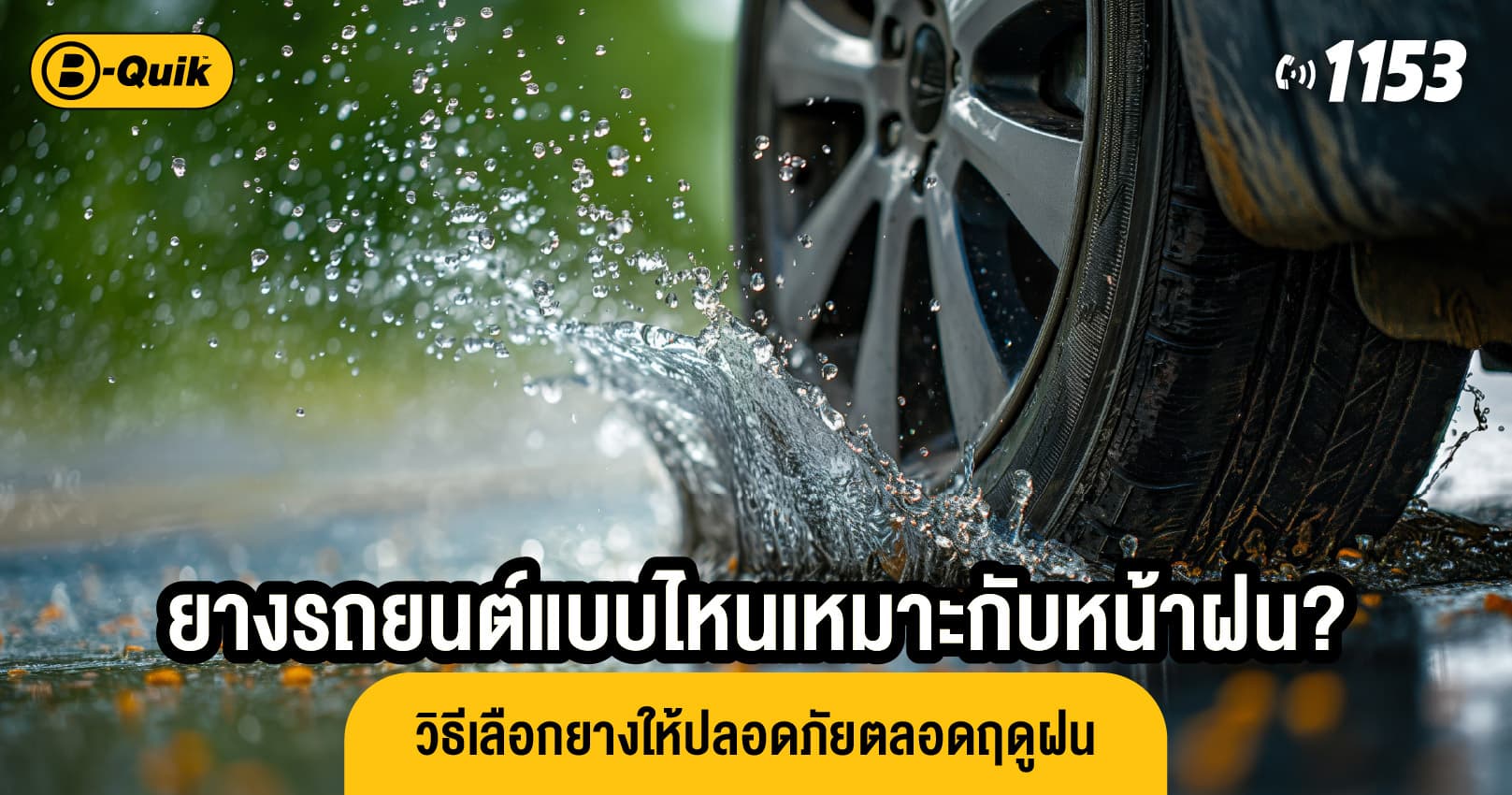
The rainy season is a time when drivers face road conditions that differ from the rest of the year. Wet roads, standing water, and heavy rain all increase the risk to vehicle control, especially if the tires aren't in good condition. Many people focus on the brake system or windshield wipers, but in reality, the tires are the first component that makes contact with the road and directly affects grip, braking, and handling. That's why choosing the right tires for the rainy season is an important factor in staying safe throughout the wet months.
Why Does Tire Choice Matter So Much in the Rainy Season?
Before choosing rainy-season tires, it's worth understanding why tires play such an important role in driving safety. On wet roads, tires must channel water away from the contact patch between the tire and the road surface. If a tire cannot drain water effectively enough, it may experience "hydroplaning" (aquaplaning), which causes the tire to lose grip and makes the car difficult to control. Wet roads also increase braking distance compared to dry conditions. Tires that are effective at channeling water and gripping wet roads can significantly reduce the risk of accidents during the rainy season.
Which Tires Are Best for the Rainy Season?
If you're looking for tires suited to the rainy season, here are the key features to consider:
Adequate Tread Depth
Tread grooves are responsible for channeling water away from the tire surface. If the tread is too worn, water-draining efficiency decreases, increasing the risk of hydroplaning. Check your tread condition regularly, especially before entering the rainy season. Tires with healthy tread help your car grip wet roads better and reduce the chance of skidding.
A Tread Pattern Designed for Water Drainage
The tread pattern has a direct impact on water drainage. Tires with wide water-channeling grooves designed to help drain water can better reduce water buildup on the tire surface, improving grip on wet roads and giving you more confident control.
A Rubber Compound Effective for Wet-Road Grip
Besides the tread pattern, the rubber compound itself is equally important. Tires developed for wet-road driving often use a compound formulated to enhance grip and improve braking response, making them well-suited to a country like Thailand with frequent rainfall.
Can You Still Drive on Low Tread in the Rainy Season?
This is a question many drivers wonder about. Even if a tire hasn't reached the end of its usable life, if the tread is significantly worn, water-draining performance drops noticeably. Possible consequences include:
- Increased braking distance
- Reduced road grip
- Higher risk of hydroplaning
- More difficult handling in the rain
This is especially risky when driving at high speed on roads with standing water. If your tread has started to wear significantly, inspect your tires thoroughly before using them during the rainy season.
Besides Tires, What Else Should Be Checked Before the Rainy Season?
Even with the right tires, other systems on your car also affect safety. Additional things to check include:
- Tire pressure
- Brake system
- Shock absorbers and suspension
- Windshield wipers
- Lighting system
Checking all of these together helps prepare your car for slippery, wet road conditions and reduces risk during your trip. Rainy-season safety doesn't depend on tires alone — it comes from the overall readiness of the entire vehicle.
When Should You Replace Your Tires Before the Rainy Season?
Many people wait until their tires are badly worn or start having problems before replacing them. In reality, preparing before the rainy season begins is the best time to inspect your tire condition. If you notice:
- Low tread remaining
- Cracks in the tire
- Tires that have been in use for a long time
- Reduced road grip
You should consider replacing your tires before the heavy rains arrive. Choosing tires designed for wet-road driving also boosts your confidence and improves control performance.
Choose the Right Tires for the Rainy Season to Stay Safe on Every Trip
If you're asking which tires are best for the rainy season, the answer is: tires with healthy tread, effective water drainage, strong wet-road grip, and in good overall condition. Before the rainy season arrives, be sure to check:
- Tread depth
- Sidewall condition
- Tire pressure
- Tire age
- Road grip performance
Preparing early helps reduce the risk of hydroplaning, skidding, and handling problems on wet roads. The right tires for the rainy season aren't just about driving comfort — they're one of the key factors that keep drivers and passengers safe throughout the rainy season.
Share:


